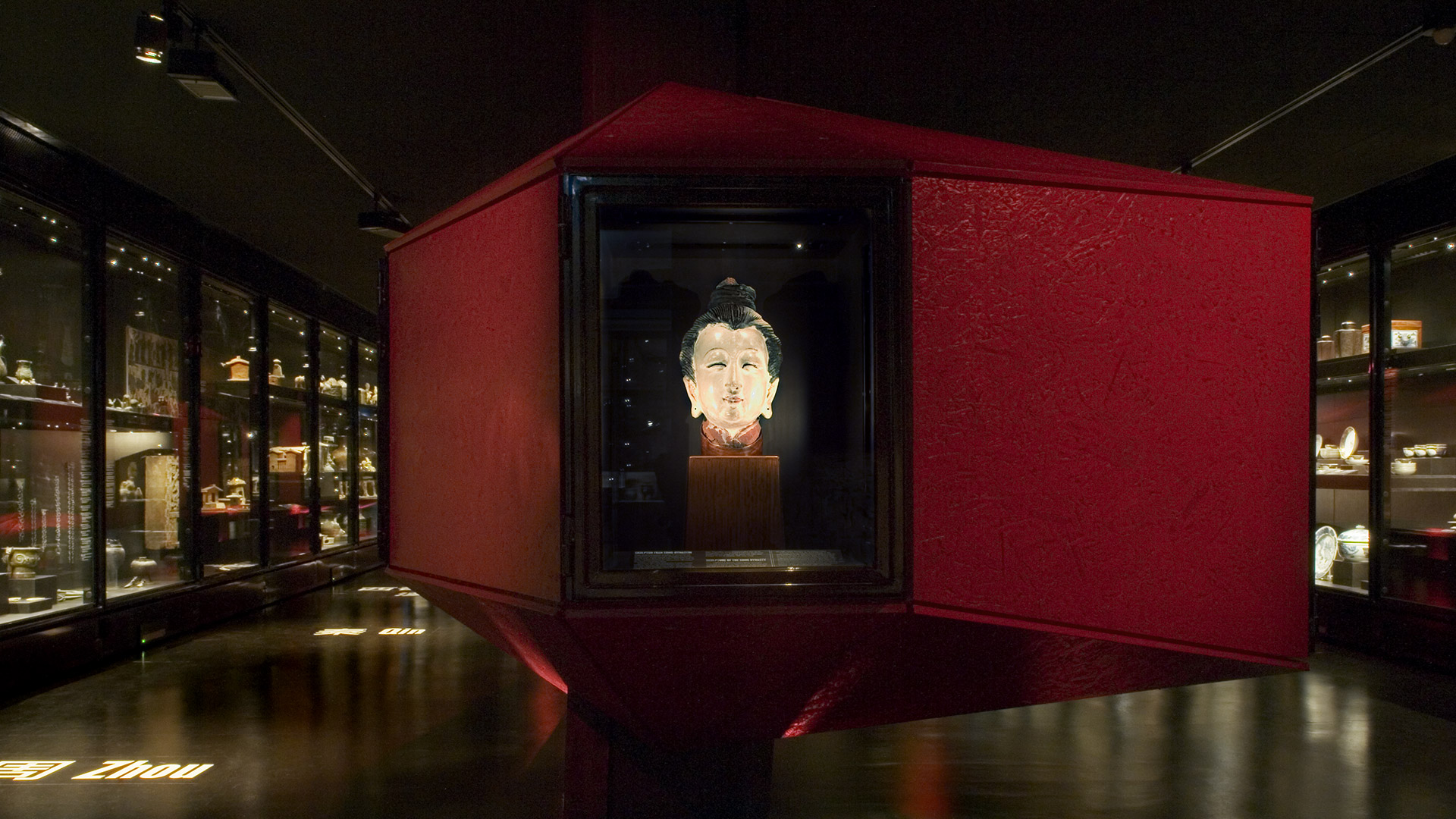
In the fiery-red dragon display case, designed by Tham & Videgård Hansson, the story begins with ritual bronzes, jade objects and oracle bones. These bear witness to early rulers, religious beliefs and rituals that bound people, ancestors and power together.
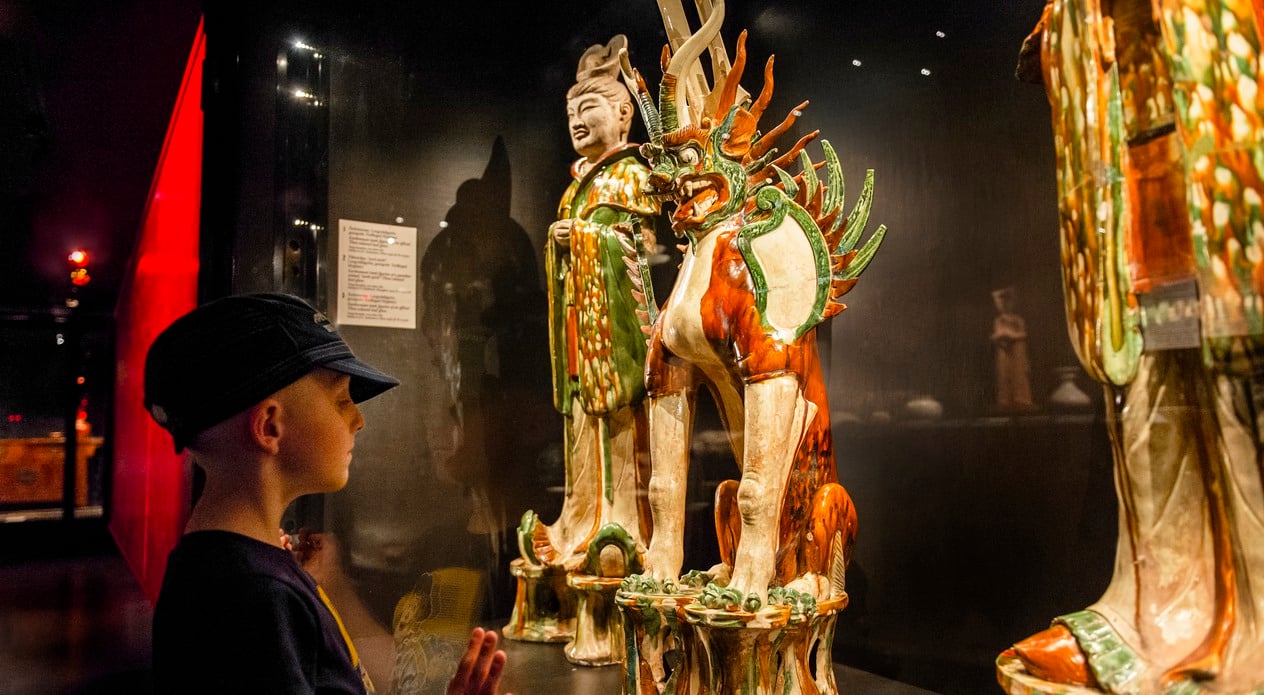
As the exhibition unfolds, tomb figurines, ceramics and glass objects illustrate how society changed through new dynasties, technological innovations, cultural encounters and growing trade links.
A recurring theme is the importance of craftsmanship. The artefacts show how, over the centuries, Chinese craftspeople developed materials, forms and techniques that came to have great significance far beyond the country’s borders. Porcelain, in particular, became a sought-after commodity and spread to markets across large parts of the world.
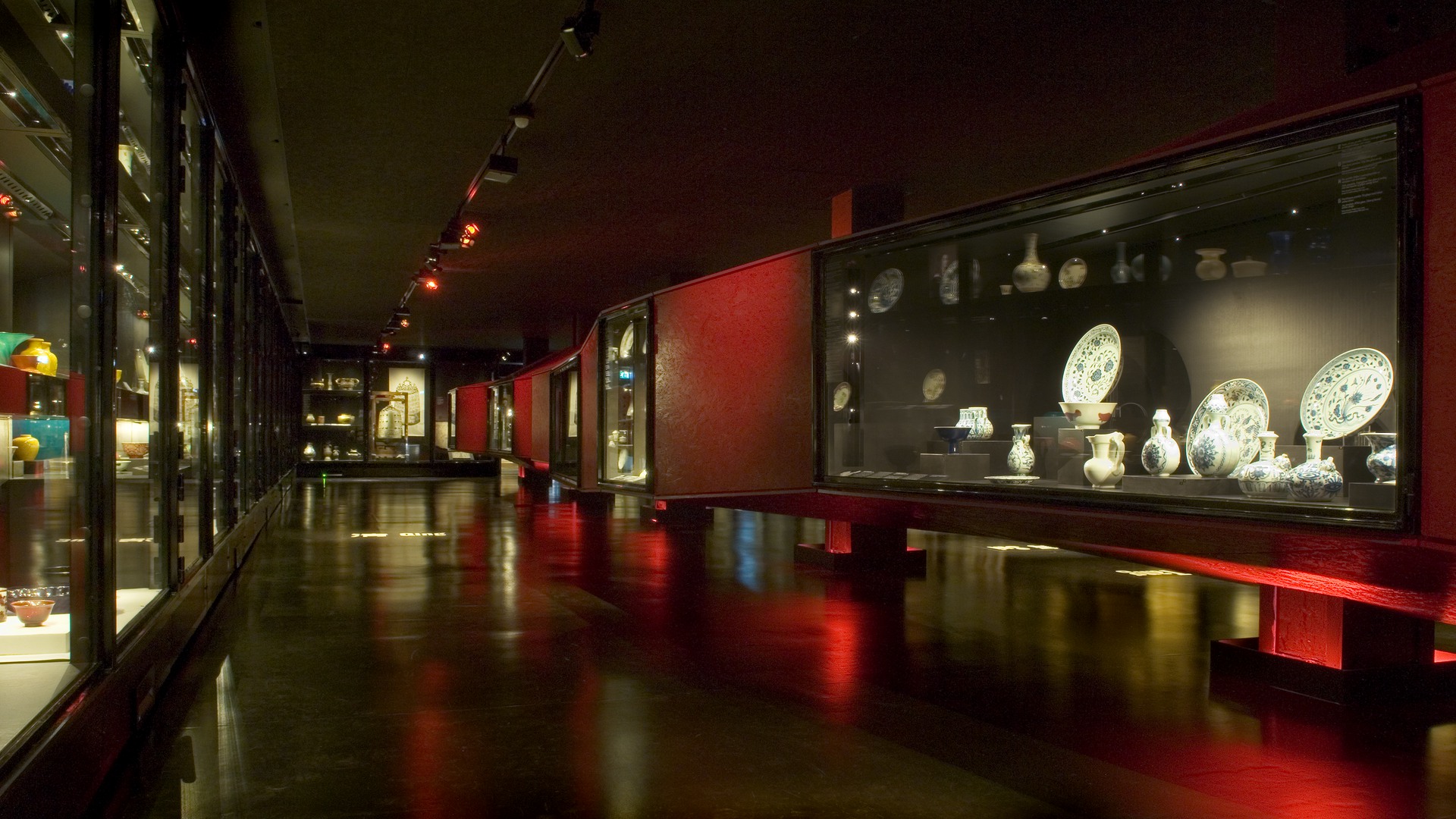
The exhibition also explores the historical links between China and Sweden. Through the Swedish East India Company, tea, silk and porcelain were imported, which went on to shape Swedish tastes, interior design ideals and consumption patterns. On display here are, amongst other things, Chinese export porcelain and objects commissioned for Swedish customers and members of the royal family.
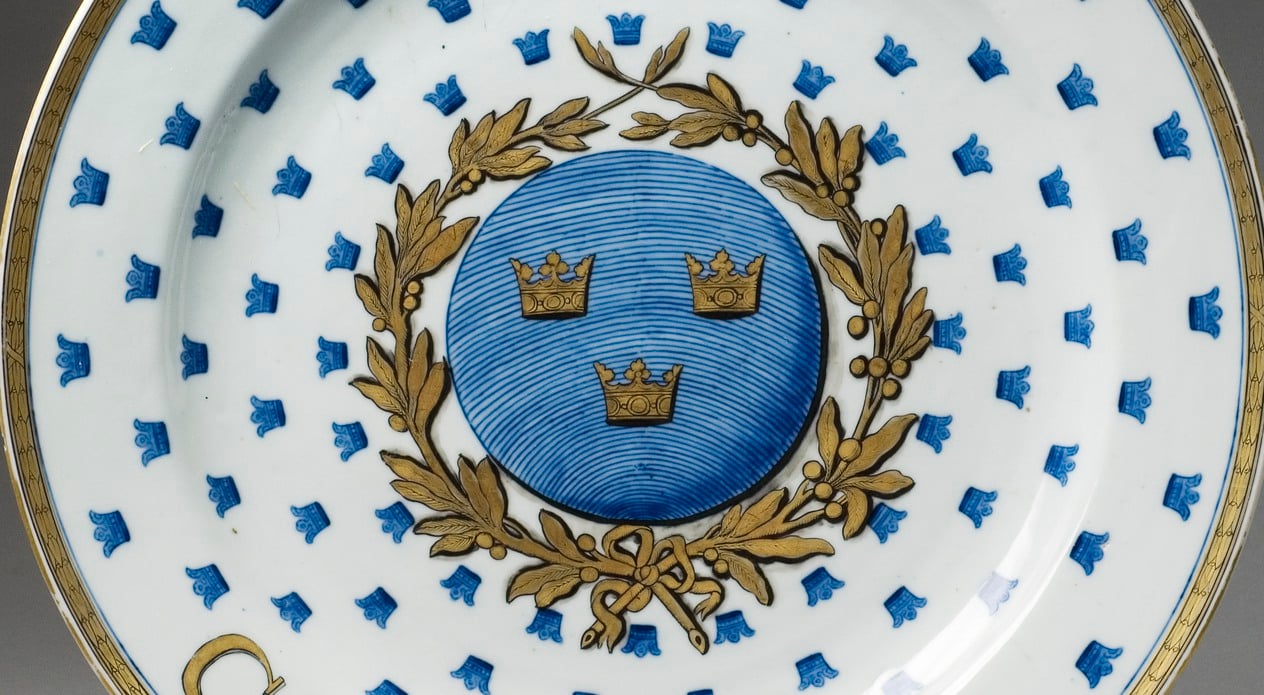
Among the highlights is the Gripsholm tableware set, which was most likely a gift to Gustav III from the Swedish East India Company. The set is an example of how Chinese craftsmen adapted shapes and decorations to suit Swedish tastes and European fashion, and demonstrates how objects can carry stories from different parts of the world into our own time.