For thousands of years, the Korean Peninsula has been a meeting place for people, ideas and cultural exchanges. Situated between China and Japan, the Korean Peninsula has developed a rich and distinctive culture, whilst also being influenced by trade, religion and political changes in the region.
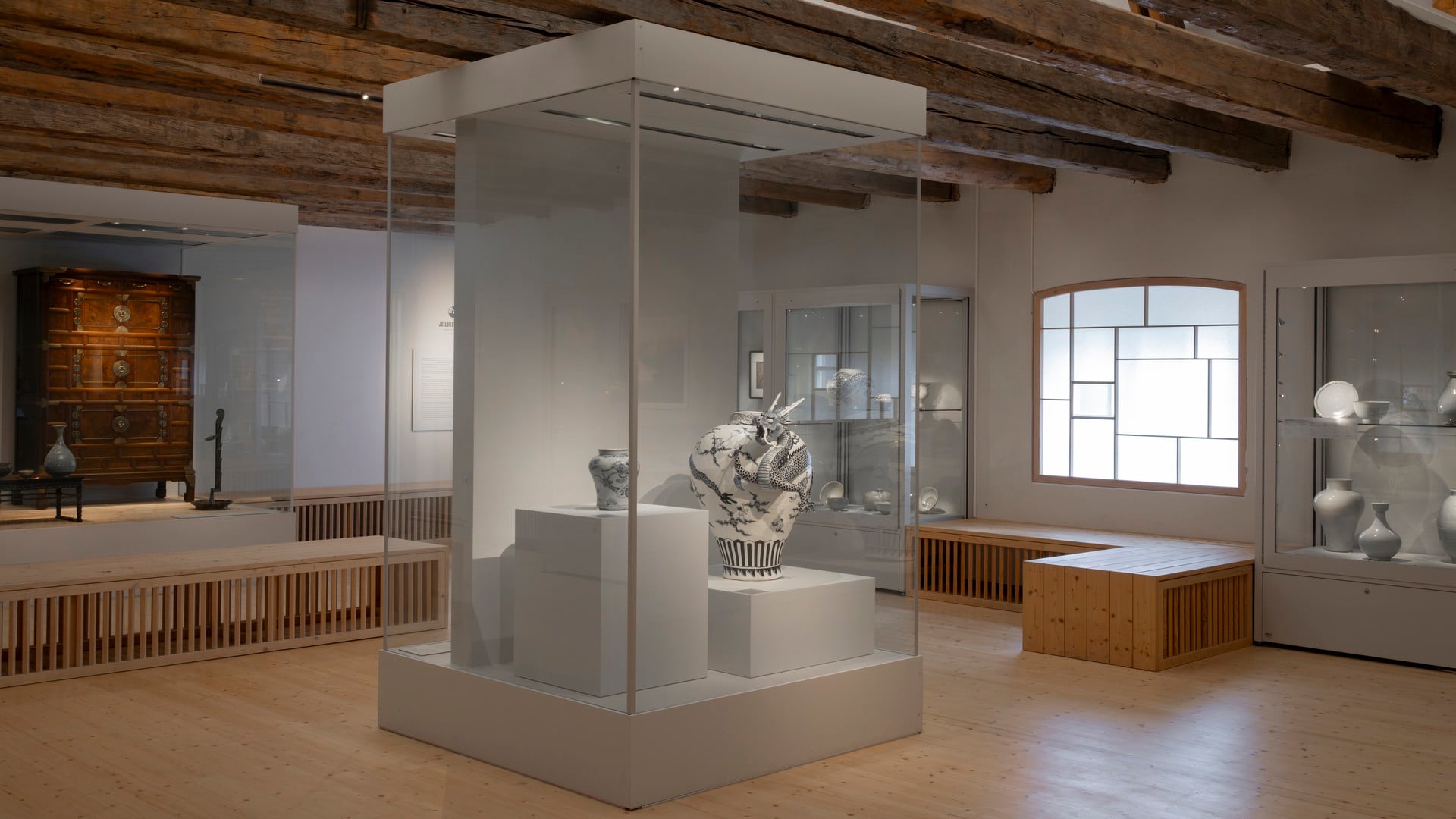
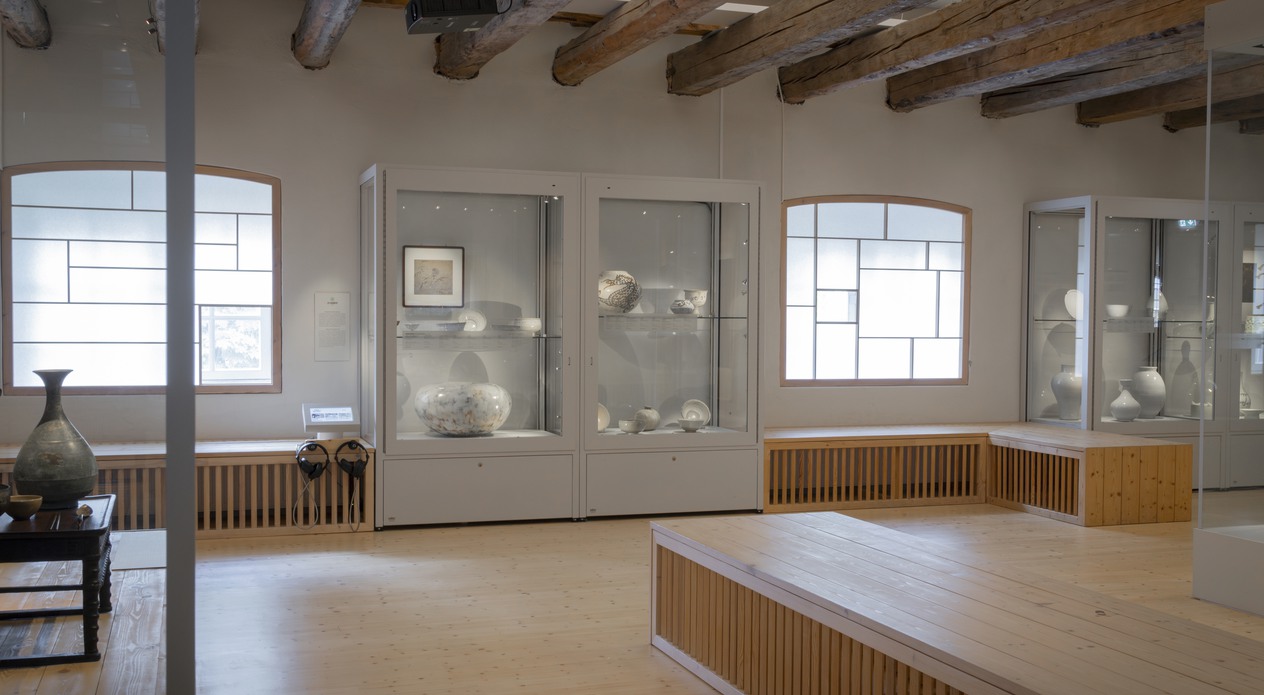
In the Korea Gallery, you will encounter examples from Korea’s long history through paintings, ceramics, metalwork and contemporary art. The objects reflect different periods and traditions, from the early kingdoms and the establishment of Buddhism to the Goryeo and Joseon dynasties. The gallery features high-fired ceramics, celadon, white porcelain and objects that bear witness to the skill and creativity of generations of craftspeople.
The oldest objects date from the 5th century, but the exhibition also features contemporary works. Together, they offer new perspectives on cultural heritage, identity and tradition, and demonstrate how history continues to be present in today’s Korea.
The gallery also highlights ties between South Korea and Sweden. King Gustaf VI Adolf’s interest in Korean art and archaeology helped to build up the museum’s collections, and many of the objects in the gallery have come to Sweden through donations, cultural exchanges and modern ties between the two countries.
The Korea Gallery was designed by the Korean architect Doojin Hwang as a place for reflection and encounters between eras, people and cultures.